
Signs of a Failing Alternator You Shouldn’t Ignore
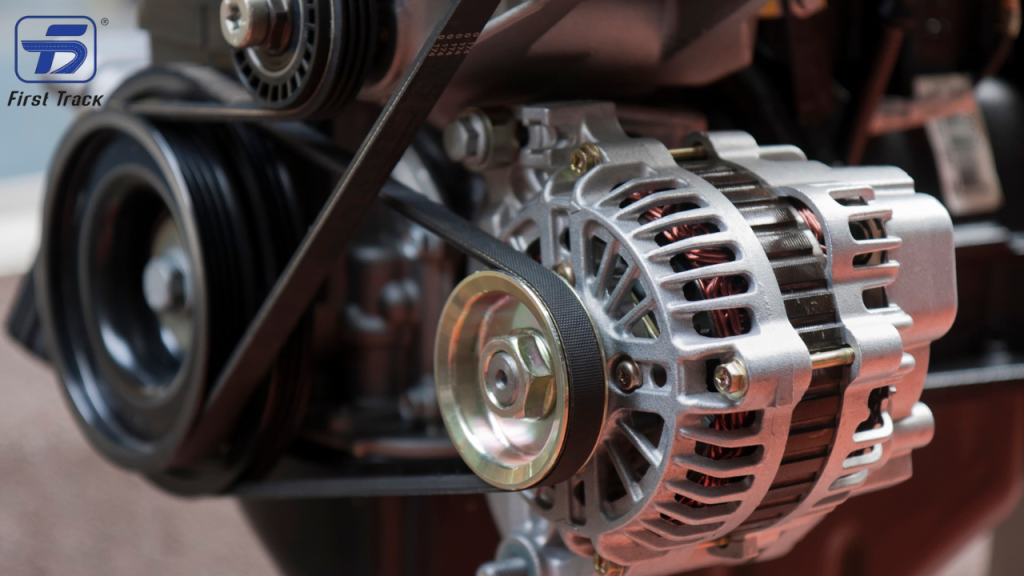
Your car’s alternator may be small, but it plays a huge role in keeping your vehicle running smoothly. It powers the electrical systems while your engine is on and keeps your battery charged. If it starts failing, you’re driving on borrowed time.
At our First track service centers in Ajman, we often see breakdowns that could’ve been prevented if the driver had recognized the early signs of alternator failure.
Let’s explore the warning signs of a bad alternator, what causes it, and when to seek help from a professional.
Why the Alternator Is So Important
Your alternator does more than just charge your battery — it powers everything electrical in your car while it’s running. That includes:
>Headlights & taillights
>AC and heating systems
>Power steering (in some vehicles)
>Dashboard functions
>Power windows, locks, and infotainment systems
A failing alternator can cause a domino effect of problems, leading to a dead battery, flickering lights, and even engine stalling.
7 Warning Signs Your Alternator May Be Failing
- Dimming or Flickering Headlights
Your alternator powers everything from your headlights and interior lights to the dashboard and infotainment system. If you notice your headlights are unusually dim, or they get brighter as you accelerate, it’s a classic symptom. A weak alternator can’t provide a consistent electrical current, causing the lights to fluctuate.
- Battery Warning Light On Dashboard
This is the most obvious sign. Most cars have a dashboard warning light shaped like a car battery. If this light illuminates while your engine is running, it’s not a direct alert for your battery; it’s a signal that there’s a problem with the entire charging system, and the alternator is the prime suspect.
- Electrical Failures
When an alternator isn’t generating enough power, the car’s computer will start shutting down non-essential components to save power for critical systems. You might notice your power windows are slow, the radio randomly cuts out, or your heated seats stop working. These are all clues that the car electrical system isn’t getting the juice it needs.
- Engine Stalling or Trouble Starting
Without a working alternator, your battery quickly loses charge. Eventually, the engine may not start — or worse, it may shut off while driving.
- Strange Noises from the Engine Bay
The alternator is driven by a serpentine belt, and inside, it has bearings that can wear out over time. If you hear a grinding or whining sound coming from under the hood, it could be a sign that the bearings are failing.
- Dead Battery
If you have to jump-start your car, you probably blame the battery. But if the problem happens again shortly after you’ve driven the car, the real culprit is likely a failed alternator. A perfectly good battery will die quickly if the alternator isn’t doing its job. This is a common sign of a serious car problem.
- Burning Smell or Hot Wires
A failing alternator may overheat due to overworked components, leading to burning smells or hot wiring.
Ignoring a failing alternator is a gamble you’ll lose. It’s not a matter of if, but when, the system will fail completely, leaving you stranded with a dead battery and a car that won’t start.
If you’re experiencing any of these signs, it’s time for a professional check-up. Our skilled technicians have the diagnostic tools to test your charging system and perform a professional alternator replacement if needed.
Schedule your auto repair appointment today! Visit us at https://firsttrackcarservices.com or call 050 711 2565!